5 Essential Steps to a Successful Ground-Up Commercial Build
Building a commercial property from the ground up is exciting. It represents growth, expansion, and a serious investment in your company’s future. But let’s be honest — it’s also complex. Between budgeting, permitting, design coordination, and construction management, there are dozens of moving parts that must align for your project to succeed.
In fast-growing markets like Dallas–Fort Worth and across North Texas, commercial development moves quickly. Competition for land, labor, and municipal approvals can impact both cost and timelines. The difference between a stressful build and a strategic success story often comes down to preparation. When you approach your ground-up commercial build with a clear plan and the right team, you gain control over your investment, your timeline, and your long-term return.
Here are five essential steps that set the foundation for a successful ground-up commercial project.
Define Your Vision Before You Design
Every successful commercial build starts with clarity. Before architectural drawings begin or land is purchased, you need a well-defined vision for what you are creating and why.
Are you building to support rapid company growth? Attract high-value tenants? Improve operational efficiency? Increase long-term property value in a competitive Texas market? Each objective influences design decisions, layout, infrastructure, and scalability.
A clearly defined vision ensures that your architect, engineer, and contractor are aligned from day one. It also prevents costly redesigns later. When stakeholders understand the end goal, decisions become easier, and your project maintains forward momentum — especially in high-demand commercial corridors throughout DFW.
Establish a Realistic Budget and Timeline
One of the most common mistakes in commercial construction is underestimating the true cost and duration of a project. Ground-up builds involve far more than materials and labor. They include land acquisition, design and engineering fees, permitting, site preparation, inspections, utilities, and contingency allowances.
In cities across Dallas–Fort Worth, permitting timelines and municipal requirements can vary significantly. Smart developers build flexibility into their budget to account for regulatory reviews, material price fluctuations, and unexpected site conditions.
Planning for contingencies protects your project from disruption and keeps progress moving forward.
The same applies to scheduling. Weather conditions in North Texas, subcontractor availability, and supply chain logistics all influence timelines. A knowledgeable commercial contractor familiar with local building departments helps you map out a realistic construction schedule that anticipates potential obstacles rather than reacting to them.
When budget and timeline expectations are grounded in reality, your stress level drops significantly — and your project is far more likely to stay on track.
Invest in Thorough Pre-Construction Planning
If there’s one phase that determines long-term success, it’s pre-construction. This stage is where strategy meets execution. It’s also where experienced contractors add enormous value.
During pre-construction, your team finalizes architectural plans, evaluates site feasibility, coordinates mechanical and structural systems, and ensures regulatory compliance. Soil testing, environmental assessments, zoning reviews, and municipal approvals all take place before ground is ever broken.
In rapidly developing Texas markets, early coordination with city officials and inspectors can prevent costly delays later. Addressing infrastructure access, drainage requirements, and code compliance upfront significantly reduces risk.
This process uncovers potential challenges early and allows your team to solve problems on paper rather than in the field, where changes are significantly more expensive.
Developers who prioritize pre-construction consistently experience fewer change orders, better cost control, and smoother builds overall.
Choose the Right Contractor and Delivery Method
Your contractor is more than a builder — they are your strategic partner. The right commercial construction team brings experience, transparency, and proactive communication to every phase of the project.
Many developers are turning to the design-build model because it streamlines collaboration. Instead of separating architects, engineers, and contractors into silos, design-build integrates the entire team from the start. This improves efficiency, reduces miscommunication, and often accelerates timelines.
It also ensures constructability is considered early in the design process. That means fewer surprises once construction begins.
If your project includes future tenant improvements or phased occupancy, planning for those elements during the ground-up phase is critical. Understanding how interior build-outs will integrate with the core structure can significantly impact long-term flexibility and leasing potential. For deeper insight into maximizing post-construction interior performance, explore The Entrepreneur’s Guide to Tenant Finish-Outs: How to Turn a “Shell” into a High-Performance Business Space.
Strategic coordination today protects your investment tomorrow.
Execute Site Preparation and Construction with Precision
Once planning is complete and permits are secured, it’s time to break ground. This stage transforms strategy into physical progress.
Successful execution depends on disciplined oversight and quality control throughout each phase of construction. In competitive North Texas markets, efficiency and coordination often determine whether a project meets its target opening date.
Key construction phases typically include:
Land clearing, grading, and drainage preparation
Utility installation and infrastructure setup
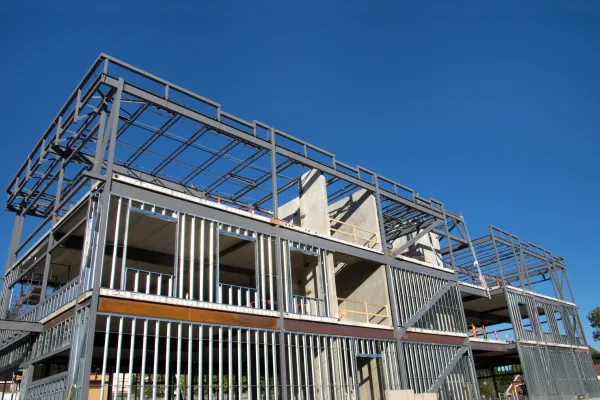
Foundation pouring and structural framing
Mechanical, electrical, and plumbing integration
Exterior envelope and interior systems installation
Every stage must meet engineering specifications and local building codes. Regular inspections, detailed scheduling, and proactive communication keep the project moving efficiently.
Strong project management ensures trades are coordinated, materials arrive on time, and quality standards are maintained. This level of oversight protects your investment and ensures the final structure performs as intended for decades to come.
Why Strategic Planning Determines Long-Term ROI
A ground-up commercial build isn’t just about creating a structure. It’s about creating a high-performing asset in a dynamic Texas real estate market. The decisions made during planning, budgeting, and contractor selection directly influence operational efficiency, tenant satisfaction, maintenance costs, and resale value.
When projects are rushed or poorly coordinated, the consequences show up later in the form of repairs, inefficiencies, and lost revenue opportunities.
When projects are built strategically, they become growth engines for your business — particularly in expanding metro areas where demand for quality commercial space remains strong.
Build With Confidence
A successful ground up commercial build doesn’t happen by accident. It requires vision, preparation, financial clarity, expert coordination, and disciplined execution.
When you take the time to follow these essential steps, you dramatically reduce risk and increase the likelihood of delivering your project on time and within budget.
If you’re planning a ground-up commercial project, the right construction partner can make all the difference. BTR Construction Group specializes in strategic planning, design-build collaboration, and high-quality commercial execution from concept to completion.
Ready to move forward with confidence?
Contact BTR Construction Group today to schedule a consultation and discuss your next commercial build. Visit btrconstructiongroup.com or call our team to learn how we can help bring your vision to life!
